English translation below.
翻译见下方。中文是我的第三语言,仍在学习。欢迎指正,乐于向你学习。
Identidad como territorio
Cuando el deseo de representar mi identidad en forma artística es más fuerte que cualquier otro interés, la creatividad se vuelve una necesidad.
Gran parte de mi vida recurrí al arte para huir del aburrimiento, el dolor y satisfacer mi necesidad de atención. Realmente creí que mi valor vendría de la fama, los excesos y el aplauso de gente desconocida. Hoy me contenta compartir mis obras con mi familia y amistades, teniendo lo suficiente para una vida normal, lejos de cualquier exposición indeseada.
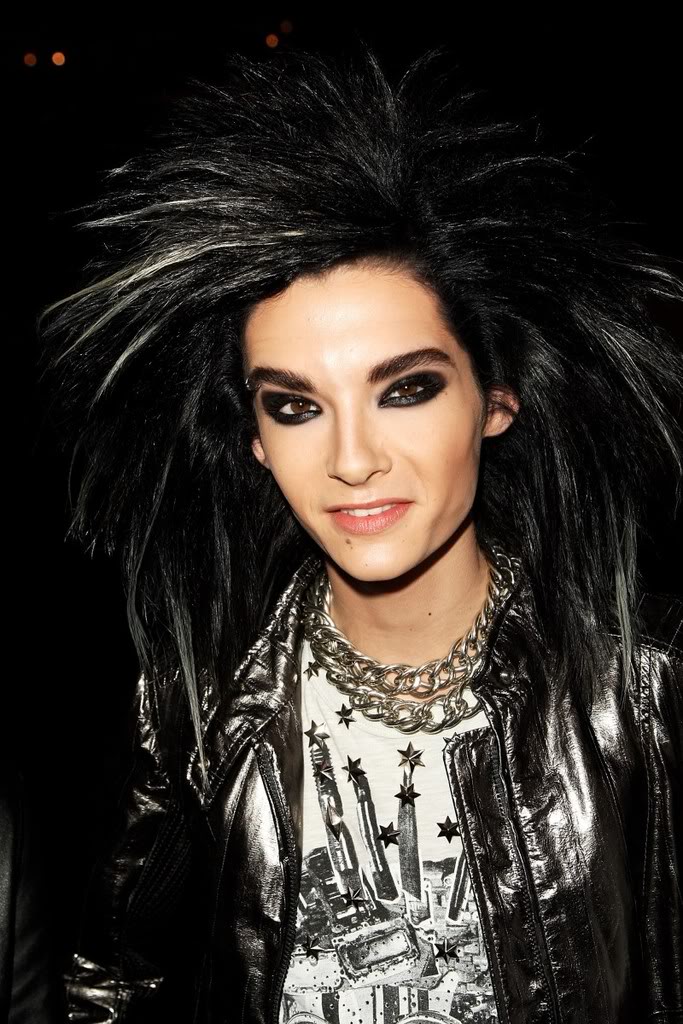
Sin embargo, mi rol es irrenunciable: Soy una identidad posmoderna, contradictoria para la lógica e imposible para el sentido común. Y aunque no deseo reproducir las etiquetas que me hacen una persona única, sí quiero mostrar la parte que compartimos: esa diversidad rara e incómoda que nace desde adentro y que, al abrirse, genera espacios para fluir y encontrarnos por fuera de las identidades hegemónicas que los medios masivos reproducen.
La primera vez que vi a Bill Kaulitz en los años 2000 no entendí qué estaba mirando. ¿Un chico? ¿Una chica? ¿Una voz rota que viste oscuro pero sonríe alegre? ¿Un artista raro de Alemania que me resuena a mí, en el conurbano de Buenos Aires? ¿Por qué sus canciones hablan de trauma pero encuentro refugio en ellas? Así entendí que es más simple construirse cuando hay un espejo donde inspirarse, un espacio compartido donde la identidad deja de ser un límite para convertirse en territorio.
Identity as Territory
When the desire to represent my identity artistically becomes stronger than any other interest, creativity turns into a necessity.
For much of my life, I turned to art to escape from boredom, pain and satisfy my need for attention. I truly believed my value would come from fame, excess, and the applause of strangers. Today, I am content to share my work with my family and friends, having enough for a normal life, far from any unwanted exposure.
However, my role is non-negotiable: I am a postmodern identity, contradictory to logic and impossible to common sense. And although I do not wish to reproduce the labels that make me a unique person, I do want to show the part we share: that rare and uncomfortable diversity that is born from within and, when opened, creates spaces to flow and find each other outside the hegemonic identities that mass media reproduces.
The first time I saw Bill Kaulitz in the 2000s, I didn’t understand what I was looking at. A boy? A girl? A broken voice that dresses in dark colors but smiles brightly? A strange artist from Germany who resonates with me, here in the working-class periphery of Buenos Aires? Why do his songs speak of trauma, yet I find refuge in them? That is how I understood that it is simpler to build oneself when there is a mirror to be inspired by, a shared space where identity ceases to be a limit and becomes a territory.
身份是一片领地
当想要以艺术方式表达自我的渴望,超过生命中的其他一切时,创造力便成为一种无法回避的生命需求。
很长一段时间里,我借由艺术逃离无聊、痛苦,以及自己对于关注的渴求。我曾真心相信,我的价值来自名声、陌生人的掌声,以及浸染在浮华与过度之中的生活。如今,我满足于与家人和朋友分享自己的作品,拥有足以过好普通生活的一切,远离那些并非自己选择的曝光。
然而,我所承担的角色无法被放弃:我代表着一种后现代身份——它违背逻辑,也让常识感到困惑。虽然我并不想反复强调那些让我成为独特个体的标签,但我希望呈现我们共同拥有的部分:那种从内心生长出来的、陌生而不安的多重面貌。当它被打开时,我们便得以在大众媒体不断复制的主流身份之外,彼此相遇与流动。
第一次看见比尔·考利茨(Bill Kaulitz)是在二十一世纪初。我不知道自己看见了什么:一个男孩?一个女孩?一个声音带着破碎感、身穿深色衣服却笑容明亮的人?一个来自德国的古怪艺术家,竟然会让远在布宜诺斯艾利斯近郊的我产生共鸣?为什么他的歌写满创伤,而我却在其中找到安慰?那时我明白了一件事:当有一面镜子可以参照,当有一个共享的空间,成为自己便不再那么困难。身份不再是一种限制,而成为一片领地。

